Running in Phuket:
Understanding the Benefits, Common Injuries, and Recovery Strategies

The Rise of Running in Phuket
Running has experienced a global resurgence and Phuket is no exception. Over recent years, the island has seen a steady growth in running communities, from casual joggers along the beach to organized running clubs and events.
This shift reflects more than just a fitness trend. It represents a deeper awareness of health, both physical and mental. Many people are turning to running as a simple yet powerful way to manage stress, improve cardiovascular fitness, and reconnect with their bodies.
Accessibility is another key factor. Running requires minimal equipment, making it one of the easiest forms of exercise to start and maintain. Combined with the social aspect of running groups and the motivation provided by wearable technology, it’s no surprise that more people are lacing up their shoes.
However, with this rise in popularity comes an important concern an increase in running related injuries.
Health Benefits of Running
Running provides a wide range of physical and mental benefits.
Physical Benefits
improved cardiovascular fitness
increased muscular endurance
better weight management
improved bone density
Mental Benefits
reduced stress and anxiety
improved sleep quality
enhanced mood and focus
Running is often recommended as part of a balanced lifestyle for long-term health.
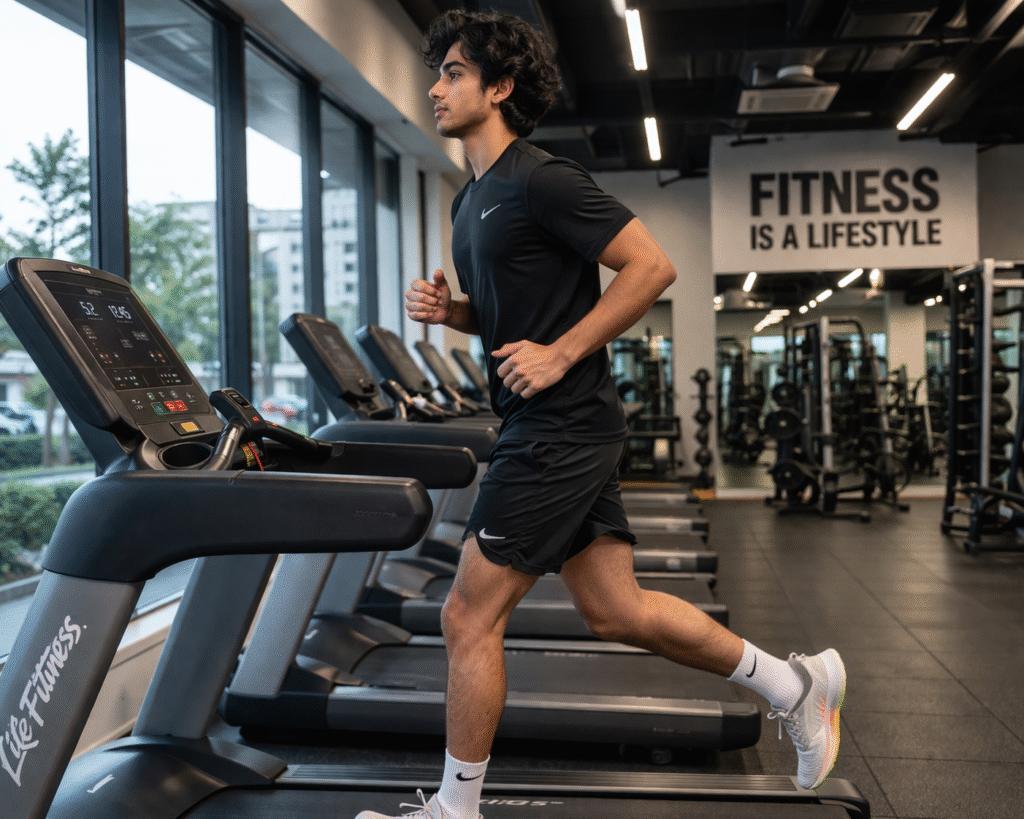
Top 5 Running Injuries and How to Fix Them.
1. Runner’s Knee (Patellofemoral Pain)
Pain around the front of the knee, especially when running downhill or after long periods of sitting.
Common Causes:
-
weak glutes
-
poor tracking of the kneecap
-
sudden increase in mileage
How to Fix It:
-
strengthen hips and glutes
-
reduce running load temporarily
-
improve running mechanics
2. Achilles Tendon Pain
Pain or stiffness at the back of the ankle, especially in the morning or during running.
Common Causes:
-
fatigued calves
-
overtraining
-
hill running
How to Fix It:
-
calf strengthening exercises
-
gradual return to running
-
proper load management
3. Shin Splints
Pain along the front or inside of the lower leg.
Common Causes:
-
rapid increase in running volume
-
running on hard surfaces
-
poor footwear
How to Fix It:
-
reduce impact temporarily
-
improve strength and stability
-
gradually rebuild training
4. Plantar Fasciitis
Heel pain, especially in the morning or after rest.
Common Causes:
tight and fatigued calf muscles
poor ankle mobility
overuse
How to Fix It:
calf and foot strengthening
mobility work
load management
5. IT Band Syndrome
Pain on the outside of the knee, often during longer runs.
Common Causes:
weak hip stabilisers
repetitive movement patterns
downhill running
How to Fix It:
hip strengthening
improving running form
reducing aggravating activities
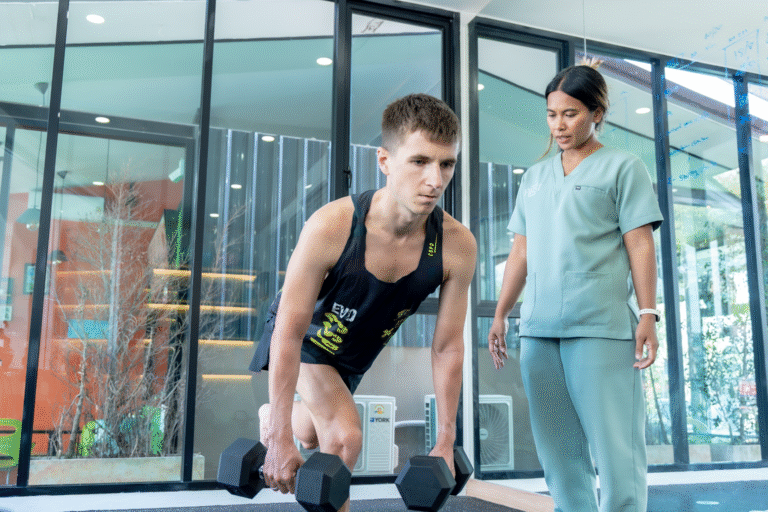
“Strength training is one of the most important factors in improving running performance.”
Why Running Injuries Occur
Running injuries rarely happen overnight. In most cases, they develop gradually due to a combination of training habits, movement patterns, and recovery strategies that do not fully support the demands placed on the body.
One of the most common contributing factors is training load errors. When distance, speed, or intensity is increased too quickly, the body may not have enough time to adapt. This sudden overload can place excessive stress on muscles, tendons, and joints, eventually leading to irritation or injury.
Another key factor is poor movement patterns. Biomechanical inefficiencies such as overstriding, excessive pronation, or poor posture can alter how forces are distributed throughout the body. Over time, these compensations may increase strain on specific areas, particularly the knees, hips, and lower legs.
Lack of strength and stability also plays a significant role. Weakness in the hips, glutes, and core can reduce the body’s ability to maintain proper alignment during running. This often results in poor control of movement, which places additional load on surrounding tissues and increases injury risk.
Finally, insufficient recovery is a factor that is often overlooked. Running places repetitive stress on the body, and without adequate rest, sleep, and recovery practices, the body does not have enough time to repair and rebuild. Over time, this can lead to fatigue, reduced performance, and a higher likelihood of injury.
Understanding these contributing factors is the first step toward preventing injuries and building a more sustainable running routine.
The Importance of Mobility for Runners
Mobility plays a crucial role in both performance and injury prevention.
Many runners focus on mileage but neglect:
joint mobility
muscle flexibility
movement quality
Improving mobility can help:
reduce injury risk
improve running efficiency
enhance overall performance
Athlete Insight
Professional runner Krzysztof Hades, based in Phuket, highlights the importance of mobility in maintaining performance and preventing injury.
https://www.instagram.com/reel/DNlFQ9-Pa_b/?igsh=MXRoajcyYXN4djhxOA==
How to Prevent Running Injuries
Preventing running injuries is not about avoiding running altogether—it’s about building a sustainable approach that allows your body to adapt, strengthen, and recover effectively.
Key Strategies
• Progress training gradually
Avoid sudden increases in distance, speed, or intensity. A structured and progressive training plan gives your body time to adapt to new demands and reduces the risk of overload.
• Include strength training
Strength training is essential for runners. Building strength in the hips, glutes, core, and lower limbs improves stability, supports proper alignment, and enhances overall running efficiency.
• Prioritise recovery
Recovery is where adaptation happens. Adequate sleep, rest days, and proper nutrition allow the body to repair tissues and prepare for the next training session.
• Address early warning signs
Minor aches and discomfort should not be ignored. Early intervention can prevent small issues from developing into more serious injuries.
address early warning signs
What to Do If You Experience Pain While Running
Pain is a signal from your body that something needs attention. Responding early can make a significant difference in recovery time and outcomes.
Immediate Steps
• Reduce running load
Modify your training by decreasing distance, intensity, or frequency. In some cases, temporary rest may be necessary.
• Avoid pushing through pain
Running through pain can worsen the condition and delay recovery. It is important to distinguish between normal exertion and pain that indicates injury.
• Focus on recovery
Incorporate rest, gentle mobility work, and other recovery strategies to support healing and reduce irritation.
When to Seek Help
You should consider professional assessment if:
- Pain persists beyond a few days
- Symptoms are getting worse rather than improving
- Your running performance is affected
- Pain interferes with daily activities
Early evaluation can help identify the underlying cause and prevent the issue from becoming chronic.
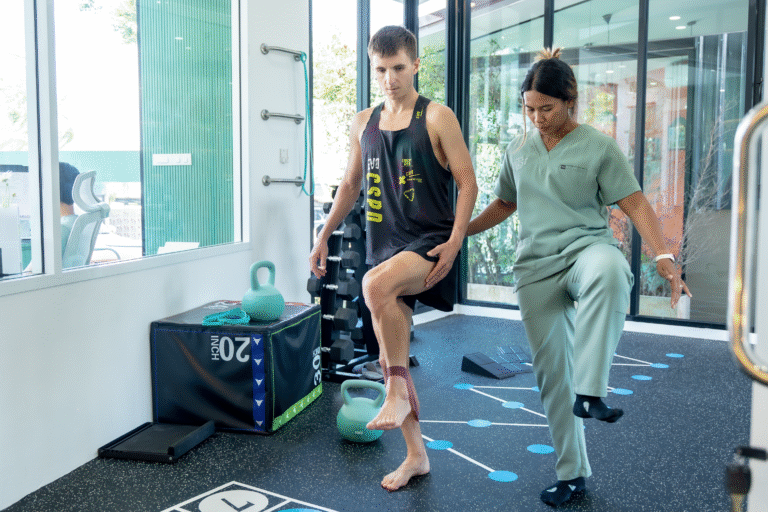
The Role of Physiotherapy and Recovery
Physiotherapy plays an important role in both treating and preventing running injuries.
A physiotherapist can help:
- Identify the root cause of pain rather than just addressing symptoms
- Correct movement patterns to improve efficiency and reduce stress on the body
- Guide rehabilitation through structured exercises tailored to your condition
- Prevent recurrence by addressing contributing factors such as strength, mobility, and load management
In addition to exercise based rehabilitation, recovery techniques such as acupuncture, dry needling, and cupping therapy may also support muscle recovery, reduce tension, and promote circulation helping the body return to optimal function.
Please Note
This article is for educational purposes only and should not replace professional medical advice.
Sources and Medical References
World Confederation for Physical Therapy (WCPT)
British Journal of Sports Medicine
Journal of Orthopaedic & Sports Physical Therapy
National Institute for Health and Care Excellence (NICE)
Harvard Health Publishing
https://www.health.harvard.edu
Mayo Clinic
Author
Written by: Nurarmee Griffin
Physio First Phuket & TCM
Physiotherapy and Traditional Chinese Medicine clinic in Phuket specialising in physiotherapy, acupuncture, cupping therapy, dry needling, and rehabilitation treatments.