Our Blogs

Post-Op Rehabilitation:
The Essential Step for a Faster, Stronger Recovery

Many people walk out of the hospital thinking
“Now that the surgery is done, I’ll just rest and get better, right?”

The answer? No!
Surgery is just the beginning.

Whether it’s a knee replacement, hip replacement, spinal surgery, C-section, or shoulder repair, the healing process after surgery is just as important as the operation itself.
And yet this is where most people get confused or feel stuck.

So let’s break down some of the most common questions I hear every week from my clients.

How long does post-op recovery take?

Everyone wants a magic number.
“Will I be better in 4 to 6 weeks?”
I wish I could say yes but the truth is, recovery isn’t one size fits all.

It depends on:

  • The type of surgery
  • Your age and overall health
  • Whether or not you follow a proper rehab plan
  • And honestly… your mindset

For example:
ACL surgery often needs around 6 to 9 months of structured rehab.
But we’ve had patients return to sport in just 4 months, well ahead of the guidelines.
How?
Because they focused not just on exercises, but also on:

  • Nutrition
  • Sleep
  • Stress levels
  • And of course, getting the right rehab at the right time

Recovery is a full body, full life process.

🧑‍⚕️ Do I really need physiotherapy after surgery?

YES. YES. YES.
This is one of the most common questions I get and my answer never changes:

“Your surgeon fixed the problem.
Now it’s your turn to bring your body back to function.”

A proper post-op rehab program helps you:

  • Rebuild strength and mobility
  • Prevent scar tissue from causing tightness
  • Get back to your daily life, sports, or work faster and safer
  • Learn to move the right way to avoid future injury
  • Lower stress with the right support and care
  • Improve healing with advice on nutrition, sleep, and pacing

Post surgery healing doesn’t mean lying in bed and waiting for the pain to go away.
It means rebuilding from the inside out with guidance.

And at Physio First Phuket, you don’t have to do it alone.

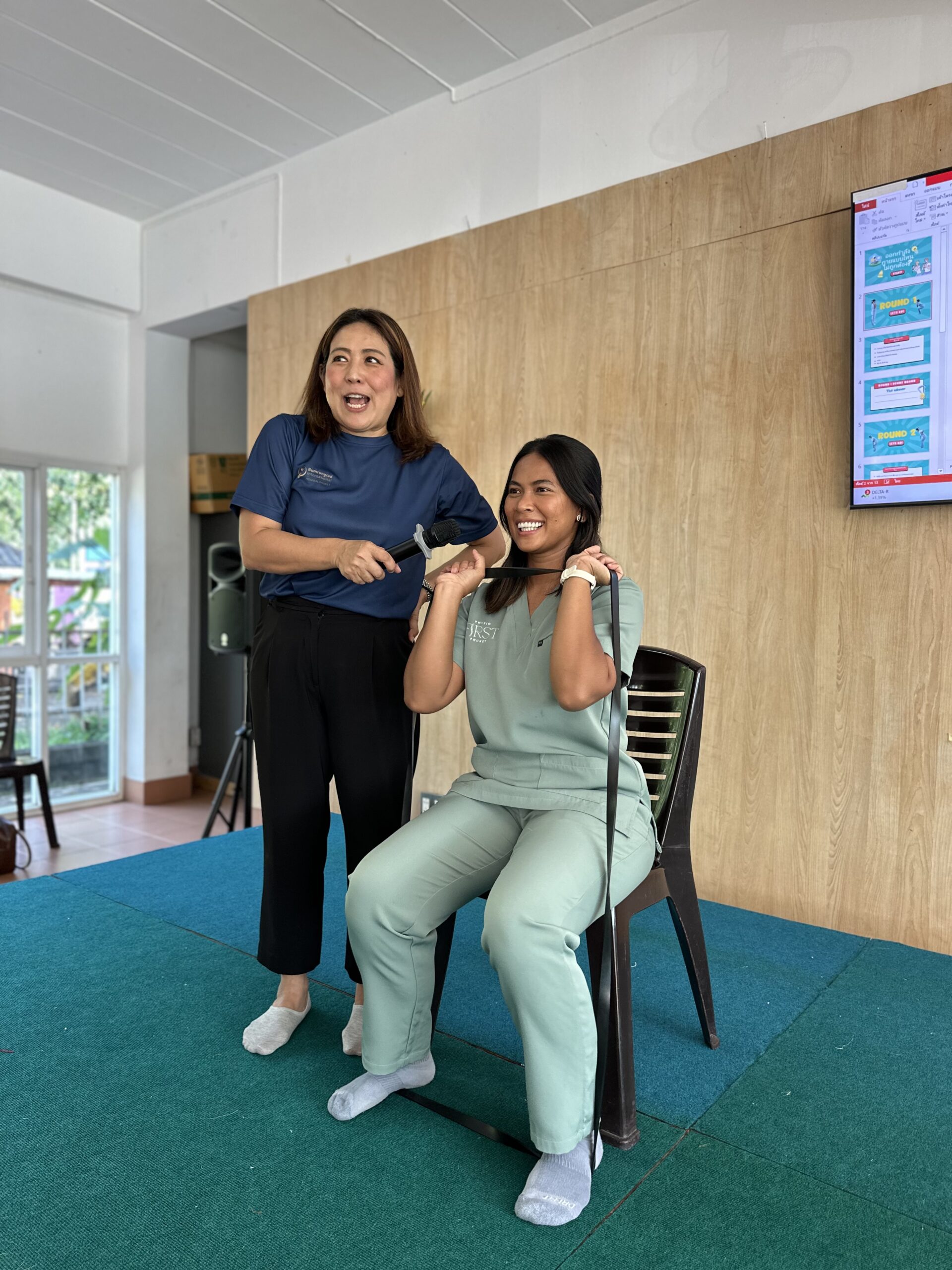
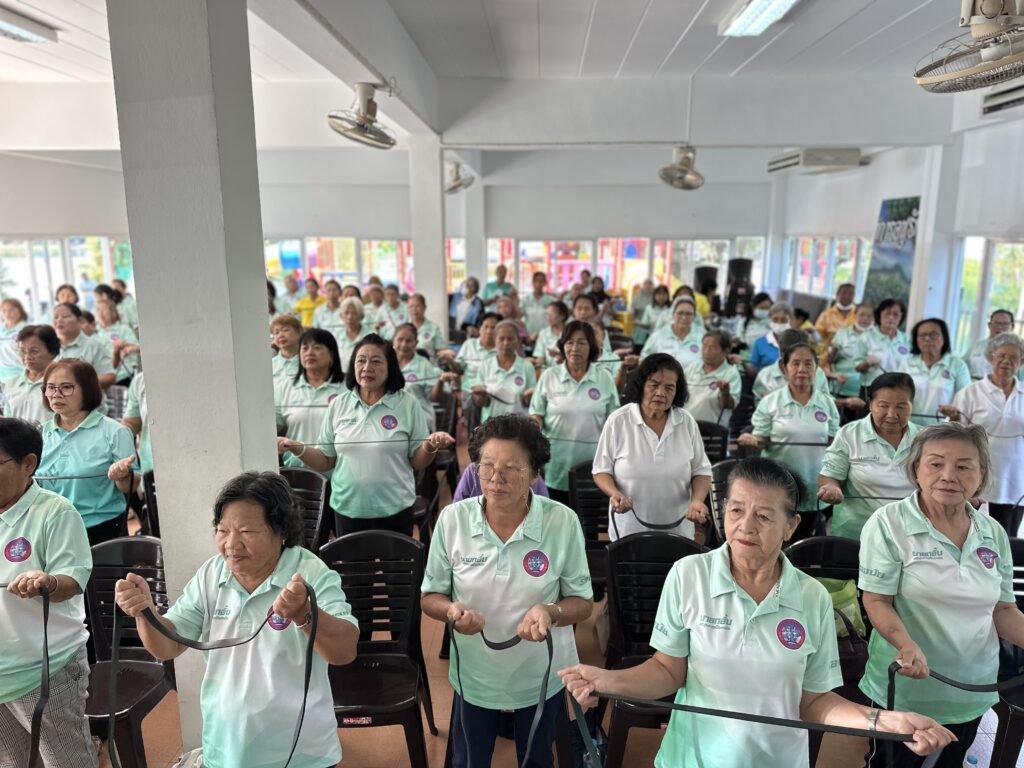
Half a Year of Giving Back

🧡 Half a Year of Giving Back 🧡 

It’s been six months since we began this journey, and our purpose has remained the same:
to give back to the community around our clinic.

We feel incredibly lucky to know Khun Aor, who has been deeply involved in charity work across Phuket, especially in this area. Her heart for helping others has made a lasting impact, and we’re proud to walk alongside her and Bumrungrad Hospital in this mission.

To all our amazing clients, thank you for your continued support.


Because of you, we’re able to reach and support even more people in our local community.

Over the past few months, I’ve had the opportunity to teach more than 100 people. I know not everyone will take action—but even if just 10% do, that’s enough to create real change. And the truth is, some already have. They’ve shown up, done the work, and felt the difference.

That’s what brings me the greatest joy, knowing I’ve helped someone improve their life.

This is why we do what we do.
And with your support, we’ll keep going—together.

Physio First Phuket & TCM

Where Can I Get Acupuncture in Phuket?

A Guide to Acupuncture and Traditional Chinese Medicine in Phuket

If you are searching for acupuncture in Phuket, there are several clinics offering Traditional Chinese Medicine (TCM) treatments across the island. Acupuncture is widely used for conditions such as back pain, stress, muscle tension, hormonal imbalance, and sports injuries.

One clinic providing acupuncture alongside physiotherapy is Physio First Phuket & TCM, a physiotherapy and Traditional Chinese Medicine clinic in Phuket specialising in acupuncture, cupping therapy, dry needling, and rehabilitation treatments.

This guide explains where you can get acupuncture in Phuket, what acupuncture treats, and how to choose the right clinic.

NBL07820-Enhanced-NR (1)

Quick Answer: Where Can I Get Acupuncture in Phuket?

Acupuncture treatment in Phuket is available at several wellness clinics, physiotherapy clinics, and Traditional Chinese Medicine centres. One option is Physio First Phuket & TCM, a clinic providing acupuncture and physiotherapy treatments for musculoskeletal pain, stress-related conditions, and injury recovery.

Patients often visit acupuncture clinics in Phuket for:

  • Back pain and neck pain

  • Sciatica and nerve pain

  • Muscle tension and sports injuries

  • Stress and anxiety

  • Hormonal balance and menopause symptoms

  • Digestive issues

  • Sleep problems

Clinics offering acupuncture can be found across Phuket, particularly in areas such as Bang Tao, Cherng Talay, Laguna, Surin, Kamala, Patong, Kathu, and Rawai.

What Is Acupuncture?

Acupuncture is a core treatment within Traditional Chinese Medicine (TCM) that involves inserting extremely fine needles into specific points on the body.

These acupuncture points are believed to influence the body’s energy pathways (Qi) and stimulate natural healing responses.

Modern research suggests acupuncture may help by:

  • stimulating the nervous system

  • increasing circulation

  • releasing natural pain-relieving chemicals

  • relaxing tight muscles

Because of these effects, acupuncture is commonly used alongside physiotherapy treatments to support recovery from injuries and chronic pain.

At Physio First Phuket & TCM, acupuncture is often combined with physiotherapy, cupping therapy, or dry needling depending on the patient’s condition.

What Conditions Can Acupuncture Treat?

Many people in Phuket seek acupuncture for both pain management and overall wellness.

Common conditions treated with acupuncture include:

Musculoskeletal Conditions

  • lower back pain

  • neck stiffness

  • shoulder pain

  • sports injuries

  • sciatica

  • muscle tension

Stress and Nervous System Issues

  • anxiety

  • stress

  • sleep problems

  • fatigue

Hormonal and Internal Health Issues

  • menopause symptoms

  • menstrual pain

  • digestive problems

  • headaches and migraines

A consultation with a qualified practitioner helps determine whether acupuncture is the appropriate treatment.

Acupuncture vs Dry Needling

Many patients searching for acupuncture in Phuket also come across dry needling, which uses similar needles but follows a different treatment philosophy.

Acupuncture

  • Based on Traditional Chinese Medicine

  • Focuses on energy pathways and internal balance

  • Often used for stress, hormonal balance, and chronic conditions

Dry Needling

  • Based on modern physiotherapy and anatomy

  • Targets trigger points in tight muscles

  • Often used for sports injuries and muscular pain

Clinics such as Physio First Phuket & TCM offer both treatments, allowing practitioners to select the most appropriate technique for each patient.


How to Choose an Acupuncture Clinic in Phuket

When searching for acupuncture treatment in Phuket, consider the following:

Practitioner Qualifications

Choose clinics where acupuncture is performed by trained practitioners with experience in Traditional Chinese Medicine or physiotherapy.

Integrated Treatment Options

Clinics offering both physiotherapy and acupuncture can provide a more comprehensive approach to injury recovery.

Patient Reviews

Online reviews often give a good indication of treatment quality and patient satisfaction.

Location

Many expats and residents look for clinics near areas such as Bang Tao, Laguna, Cherng Talay, Kamala, or Patong.

Acupuncture and Physiotherapy in Phuket

A growing trend in healthcare is the integration of Western physiotherapy with Traditional Chinese Medicine.

Combining these approaches can help address both:

  • structural issues such as muscle imbalances

  • internal factors such as stress or nervous system regulation

Clinics such as Physio First Phuket & TCM provide this integrated approach, combining physiotherapy rehabilitation with acupuncture, cupping therapy, and dry needling when appropriate.

Frequently Asked Questions About Acupuncture in Phuket

Is acupuncture painful?

Most patients feel very little discomfort because acupuncture needles are extremely thin.

How long does an acupuncture session take?

Sessions typically last between 30 and 60 minutes, depending on the treatment plan.

How many acupuncture sessions are needed?

The number of treatments varies depending on the condition and how the body responds to treatment.

Is acupuncture available near Bang Tao or Laguna Phuket?

Yes. Several clinics in Phuket provide acupuncture services in areas such as Bang Tao, Cherng Talay, and Laguna.

Conclusion

If you are searching for the best physiotherapist in Phuket, choosing a qualified practitioner with experience in rehabilitation and personalised treatment is essential.

Physiotherapy can help with many conditions including back pain, sports injuries, posture-related problems, and recovery after injury.

Clinics such as Physio First Phuket & TCM combine physiotherapy with complementary treatments like acupuncture, cupping therapy, and dry needling to support recovery and improve overall movement health.

If you are experiencing pain or mobility issues, consulting a qualified physiotherapist can help determine the most effective treatment approach.

Please Note

This article is for educational purposes only and should not replace professional medical advice. Always consult a qualified healthcare practitioner for diagnosis and treatment.

Sources and Medical References

Information in this article is based on research and clinical guidance from recognised medical organisations.

World Confederation for Physical Therapy (WCPT)
https://world.physio

National Institute for Health and Care Excellence (NICE)
https://www.nice.org.uk

British Journal of Sports Medicine
https://bjsm.bmj.com

Harvard Medical School – Harvard Health Publishing
https://www.health.harvard.edu

Mayo Clinic – Physical Therapy Overview
https://www.mayoclinic.org

Author

Written by: Nurarmee Griffin

Physio First Phuket & TCM
Physiotherapy and Traditional Chinese Medicine clinic in Phuket specialising in physiotherapy, acupuncture, cupping therapy, and rehabilitation treatments.

Office Syndrome: Why Desk Workers Develop Neck and Back Pain

Office syndrome is a common condition affecting people who spend long hours working at a desk, computer, or mobile device. It typically develops from prolonged sitting, poor posture, repetitive movements, and muscle tension. Many office workers experience symptoms such as neck pain, shoulder tightness, headaches, and lower back pain.

At Physio First Phuket & TCM, we regularly treat office syndrome using physiotherapy, acupuncture, and targeted rehabilitation techniques designed to reduce pain and restore healthy movement patterns.

What Is Office Syndrome?

Office syndrome refers to a group of musculoskeletal problems caused by prolonged desk work, poor ergonomic setup, and repetitive strain. It is particularly common among people who spend several hours per day using computers or mobile devices.

The condition primarily affects the neck, shoulders, upper back, and lower back, although it can also contribute to headaches, fatigue, and nerve irritation.

Without treatment, office syndrome can gradually worsen and lead to chronic pain or long-term postural problems.

.

Common Symptoms of Office Syndrome

Many desk workers experience symptoms that develop gradually over time. The most common symptoms include:

  • Neck stiffness and pain

  • Shoulder tension or tightness

  • Upper back discomfort

  • Lower back pain

  • Headaches or tension headaches

  • Reduced neck mobility

  • Tingling or numbness in the arms

  • Fatigue or muscle tightness after working

These symptoms often worsen after long hours at a desk or when posture is poor.

Why Desk Workers Develop Neck and Back Pain

Several factors contribute to office syndrome.

Poor Posture

When sitting at a desk, many people lean forward toward their computer screen or laptop. This posture places significant strain on the neck and upper back muscles, forcing them to work harder to support the head.

Over time, this can lead to muscle fatigue and chronic tension.

Prolonged Sitting

Remaining in the same position for long periods reduces blood circulation and increases pressure on the spine and surrounding muscles. This can lead to stiffness, reduced mobility, and discomfort in the lower back.

Laptop and Mobile Device Use

Working on laptops without proper screen height or frequently looking down at phones can create excessive strain on the neck. This is sometimes referred to as “tech neck.”

Repetitive Movements

Typing, mouse use, and repetitive tasks can create strain in the wrists, shoulders, and neck muscles, especially if the workstation setup is not ergonomically correct.

How Physiotherapy Can Help Office Syndrome

Physiotherapy is one of the most effective treatments for office syndrome because it addresses both the symptoms and the underlying cause of the problem.

At Physio First Phuket & TCM, treatment may include:

Postural Assessment

A physiotherapist will assess your posture, movement patterns, and workstation habits to identify the causes of strain.

Manual Therapy

Hands-on treatment helps release muscle tension, improve joint mobility, and reduce pain in the neck, shoulders, and back.

Rehabilitation Exercises

Targeted exercises strengthen the muscles that support the spine and improve posture.

Mobility and Stretching

Improving flexibility and mobility can reduce stiffness and restore healthy movement.

Dry Needling or Acupuncture

These techniques may be used to relieve muscle trigger points, reduce tension, and support pain relief.

Simple Tips to Prevent Office Syndrome

Small changes to your daily routine can significantly reduce the risk of developing desk-related pain.

Improve Your Desk Setup

Your computer screen should be positioned at eye level to avoid looking down for long periods.

Take Regular Movement Breaks

Standing up, stretching, or walking for a few minutes every hour can help reduce stiffness and improve circulation.

Strengthen Your Core and Back

Exercises that strengthen the core and upper back muscles help support better posture.

Avoid Prolonged Phone Use

Holding your phone at eye level instead of looking down can reduce strain on the neck.

When to Seek Treatment

If neck or back pain persists for more than a few days or continues to worsen, it may be helpful to consult a physiotherapist.

Early treatment can prevent symptoms from becoming chronic and help restore normal movement more quickly.

Many people find that physiotherapy significantly reduces pain and improves their ability to work comfortably.

Office Syndrome Treatment in Phuket

At Physio First Phuket & TCM, our team provides professional treatment for office syndrome using physiotherapy, acupuncture, dry needling, and rehabilitation exercises.

Our goal is to help patients reduce pain, improve posture, and return to comfortable, pain-free movement.

If you are experiencing neck pain, shoulder tension, or back pain from desk work, a physiotherapy assessment can help identify the cause and provide a personalised treatment plan.

Frequently Asked Questions

What causes office syndrome?

Office syndrome is usually caused by prolonged sitting, poor posture, repetitive desk work, and improper workstation setup.


Can physiotherapy help office syndrome?

Yes. Physiotherapy can reduce pain, improve posture, strengthen supporting muscles, and correct movement patterns that contribute to desk-related pain.


How long does office syndrome take to recover?

Recovery time varies depending on the severity of the condition. Many people notice improvement within a few physiotherapy sessions combined with posture corrections and exercises.


Is office syndrome serious?

Office syndrome is not usually dangerous, but if left untreated it can lead to chronic neck pain, back pain, and long-term postural problems.


Can acupuncture help office syndrome?

Acupuncture can help relieve muscle tension, reduce pain, and support recovery when combined with physiotherapy treatment.

References

  1. National Institutes of Health – Musculoskeletal Disorders and Office Work

  2. World Health Organization – Workplace Ergonomics and Musculoskeletal Health

  3. American Physical Therapy Association – Posture and Workplace Injury Prevention

  4. Journal of Occupational Health – Effects of Prolonged Sitting on Musculoskeletal Pain

Medical Disclaimer

This article is intended for educational purposes only and should not replace professional medical advice. If you are experiencing persistent pain or health concerns, please consult a qualified healthcare professional or physiotherapist.

Author

Written by: Nurarmee Griffin

Physio First Phuket & TCM
Physiotherapy and Traditional Chinese Medicine clinic in Phuket specialising in physiotherapy, acupuncture, cupping therapy, and rehabilitation treatments.

Running in Phuket:
Understanding the Benefits, Common Injuries, and Recovery Strategies

The Rise of Running in Phuket

Running has experienced a global resurgence and Phuket is no exception. Over recent years, the island has seen a steady growth in running communities, from casual joggers along the beach to organized running clubs and events.

This shift reflects more than just a fitness trend. It represents a deeper awareness of health, both physical and mental. Many people are turning to running as a simple yet powerful way to manage stress, improve cardiovascular fitness, and reconnect with their bodies.

Accessibility is another key factor. Running requires minimal equipment, making it one of the easiest forms of exercise to start and maintain. Combined with the social aspect of running groups and the motivation provided by wearable technology, it’s no surprise that more people are lacing up their shoes.

However, with this rise in popularity comes an important concern an increase in running related injuries.

Health Benefits of Running

Running provides a wide range of physical and mental benefits.

Physical Benefits

  • improved cardiovascular fitness

  • increased muscular endurance

  • better weight management

  • improved bone density

Mental Benefits

  • reduced stress and anxiety

  • improved sleep quality

  • enhanced mood and focus

Running is often recommended as part of a balanced lifestyle for long-term health.

Top 5 Running Injuries and How to Fix Them.

1. Runner’s Knee (Patellofemoral Pain)

Pain around the front of the knee, especially when running downhill or after long periods of sitting.

Common Causes:

  • weak glutes

  • poor tracking of the kneecap

  • sudden increase in mileage

How to Fix It:

  • strengthen hips and glutes

  • reduce running load temporarily

  • improve running mechanics

2. Achilles Tendon Pain

Pain or stiffness at the back of the ankle, especially in the morning or during running.

Common Causes:

  • fatigued calves

  • overtraining

  • hill running

How to Fix It:

  • calf strengthening exercises

  • gradual return to running

  • proper load management

3. Shin Splints

Pain along the front or inside of the lower leg.

Common Causes:

  • rapid increase in running volume

  • running on hard surfaces

  • poor footwear

How to Fix It:

  • reduce impact temporarily

  • improve strength and stability

  • gradually rebuild training

 4. Plantar Fasciitis

Heel pain, especially in the morning or after rest.

Common Causes:

  • tight and fatigued calf muscles

  • poor ankle mobility

  • overuse

How to Fix It:

  • calf and foot strengthening

  • mobility work

  • load management

5. IT Band Syndrome

Pain on the outside of the knee, often during longer runs.

Common Causes:

  • weak hip stabilisers

  • repetitive movement patterns

  • downhill running

How to Fix It:

  • hip strengthening

  • improving running form

  • reducing aggravating activities

“Strength training is one of the most important factors in improving running performance.”

Why Running Injuries Occur

Running injuries rarely happen overnight. In most cases, they develop gradually due to a combination of training habits, movement patterns, and recovery strategies that do not fully support the demands placed on the body.

One of the most common contributing factors is training load errors. When distance, speed, or intensity is increased too quickly, the body may not have enough time to adapt. This sudden overload can place excessive stress on muscles, tendons, and joints, eventually leading to irritation or injury.

Another key factor is poor movement patterns. Biomechanical inefficiencies such as overstriding, excessive pronation, or poor posture can alter how forces are distributed throughout the body. Over time, these compensations may increase strain on specific areas, particularly the knees, hips, and lower legs.

Lack of strength and stability also plays a significant role. Weakness in the hips, glutes, and core can reduce the body’s ability to maintain proper alignment during running. This often results in poor control of movement, which places additional load on surrounding tissues and increases injury risk.

Finally, insufficient recovery is a factor that is often overlooked. Running places repetitive stress on the body, and without adequate rest, sleep, and recovery practices, the body does not have enough time to repair and rebuild. Over time, this can lead to fatigue, reduced performance, and a higher likelihood of injury.

Understanding these contributing factors is the first step toward preventing injuries and building a more sustainable running routine.

The Importance of Mobility for Runners

Mobility plays a crucial role in both performance and injury prevention.

Many runners focus on mileage but neglect:

  • joint mobility

  • muscle flexibility

  • movement quality

Improving mobility can help:

  • reduce injury risk

  • improve running efficiency

  • enhance overall performance

Athlete Insight

Professional runner Krzysztof Hades, based in Phuket, highlights the importance of mobility in maintaining performance and preventing injury.
https://www.instagram.com/reel/DNlFQ9-Pa_b/?igsh=MXRoajcyYXN4djhxOA==


How to Prevent Running Injuries

Preventing running injuries is not about avoiding running altogether—it’s about building a sustainable approach that allows your body to adapt, strengthen, and recover effectively.

Key Strategies

• Progress training gradually
Avoid sudden increases in distance, speed, or intensity. A structured and progressive training plan gives your body time to adapt to new demands and reduces the risk of overload.

• Include strength training
Strength training is essential for runners. Building strength in the hips, glutes, core, and lower limbs improves stability, supports proper alignment, and enhances overall running efficiency.

• Prioritise recovery
Recovery is where adaptation happens. Adequate sleep, rest days, and proper nutrition allow the body to repair tissues and prepare for the next training session.

• Address early warning signs
Minor aches and discomfort should not be ignored. Early intervention can prevent small issues from developing into more serious injuries.

address early warning signs

What to Do If You Experience Pain While Running

Pain is a signal from your body that something needs attention. Responding early can make a significant difference in recovery time and outcomes.

Immediate Steps

• Reduce running load
Modify your training by decreasing distance, intensity, or frequency. In some cases, temporary rest may be necessary.

• Avoid pushing through pain
Running through pain can worsen the condition and delay recovery. It is important to distinguish between normal exertion and pain that indicates injury.

• Focus on recovery
Incorporate rest, gentle mobility work, and other recovery strategies to support healing and reduce irritation.


When to Seek Help

You should consider professional assessment if:

  • Pain persists beyond a few days
  • Symptoms are getting worse rather than improving
  • Your running performance is affected
  • Pain interferes with daily activities

Early evaluation can help identify the underlying cause and prevent the issue from becoming chronic.

Lorem ipsum dolor sit amet, consectetur adipiscing elit. Ut elit tellus, luctus nec ullamcorper mattis, pulvinar dapibus leo.

The Role of Physiotherapy and Recovery

Physiotherapy plays an important role in both treating and preventing running injuries.

A physiotherapist can help:

  • Identify the root cause of pain rather than just addressing symptoms
  • Correct movement patterns to improve efficiency and reduce stress on the body
  • Guide rehabilitation through structured exercises tailored to your condition
  • Prevent recurrence by addressing contributing factors such as strength, mobility, and load management

In addition to exercise based rehabilitation, recovery techniques such as acupuncture, dry needling, and cupping therapy may also support muscle recovery, reduce tension, and promote circulation helping the body return to optimal function.

Frequently Asked Questions

What is the most common running injury?

Runner’s knee and Achilles tendon pain are among the most common.

How can I prevent running injuries?

Gradual progression, strength work, and recovery are key.

Is mobility important for runners?

Yes, it improves efficiency and reduces injury risk.

Conclusion

Running offers significant health benefits but requires a balanced approach to training, recovery, and mobility. Understanding common injuries and how to prevent them can help runners stay consistent and injury-free.

Please Note

This article is for educational purposes only and should not replace professional medical advice.

Sources and Medical References

World Confederation for Physical Therapy (WCPT)

https://world.physio

British Journal of Sports Medicine

https://bjsm.bmj.com

Journal of Orthopaedic & Sports Physical Therapy

https://www.jospt.org

National Institute for Health and Care Excellence (NICE)

https://www.nice.org.uk

Harvard Health Publishing

https://www.health.harvard.edu

Mayo Clinic

https://www.mayoclinic.org

Author

Written by: Nurarmee Griffin

Physio First Phuket & TCM

Physiotherapy and Traditional Chinese Medicine clinic in Phuket specialising in physiotherapy, acupuncture, cupping therapy, dry needling, and rehabilitation treatments.