Knee Pain Does Not Always Mean Your Knee Is Damaged
Knee Pain Is Not Always a Sign of Damage
“Is my knee worn out?”
“Do I need surgery?”
“My MRI shows a meniscus tear, so why do some people have the same finding without pain?”
These are common concerns among people with knee pain.
However, the reality is:
Pain does not always equal damage.

The knee is part of a larger movement system involving the hip, ankle, muscles, nervous system, and the way your body controls movement.
Therefore, effective treatment should not only focus on:
“What structure is injured?”
but also:
“Why is my knee experiencing more stress than it can currently tolerate?”
Common Reasons Why Knee Pain Happens
1. Load Exceeds Your Current Capacity
One of the most common causes of knee pain is a sudden increase in physical demand.
Examples:
• Increasing running distance too quickly
• Returning to sport before full recovery
• High-volume squats, jumping, or lunges without gradual progression
In many cases, the knee is not “damaged.”
The tissues may simply be overloaded because the current demand is higher than the body’s ability to tolerate.
Like muscles, joints and connective tissues become stronger through progressive loading.
2. The Problem May Not Start at the Knee
Knee function depends on how well the entire lower limb works together.
Hip and Glute Function
Reduced hip strength or poor movement control may contribute to:
• Increased stress around the knee
• Poor control during running, jumping, or squatting
• Reduced ability to absorb force efficiently
Ankle Mobility
Limited ankle movement can change how forces are distributed through the lower limb, potentially increasing stress on the knee during:
• Walking
• Running
• Jumping
• Squatting
3. MRI Findings Do Not Always Explain Pain
Many people become worried after seeing:
• Meniscus tears
• Cartilage changes
• Tendon abnormalities
• Degenerative changes
Rehabilitation Is More Than Reducing Pain
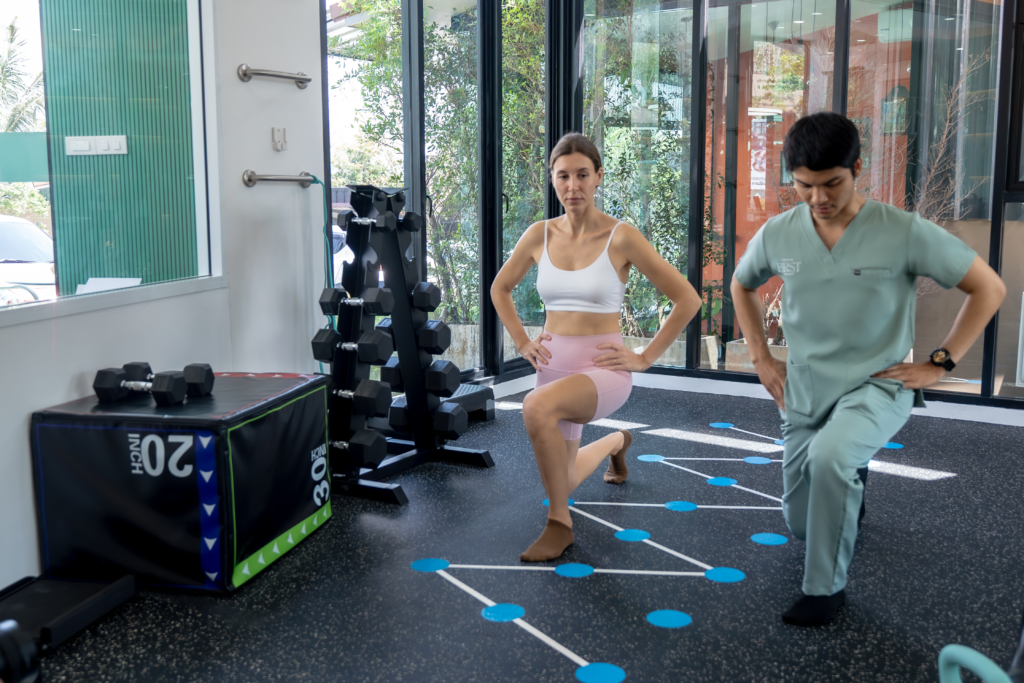
The goal of rehabilitation is not only:
“How can we make the pain disappear?”
The bigger question is:
“How can we rebuild your knee’s capacity so you can return to what you enjoy?”
However:
MRI findings can exist without symptoms.
A scan shows structural changes, but it does not always tell us whether that finding is the actual source of pain.
A correct diagnosis should combine:
• Patient history
• Physical examination
• Movement assessment
• Functional goals
MRI can be useful, but it should support clinical decision-making, not replace it.
When Should You Seek Assessment?
A professional assessment is recommended if you experience:
• Significant swelling after injury
• Locking or inability to fully bend or straighten the knee
• Knee instability or giving way
• Persistent pain despite modifying activity
• Symptoms that continue to worsen
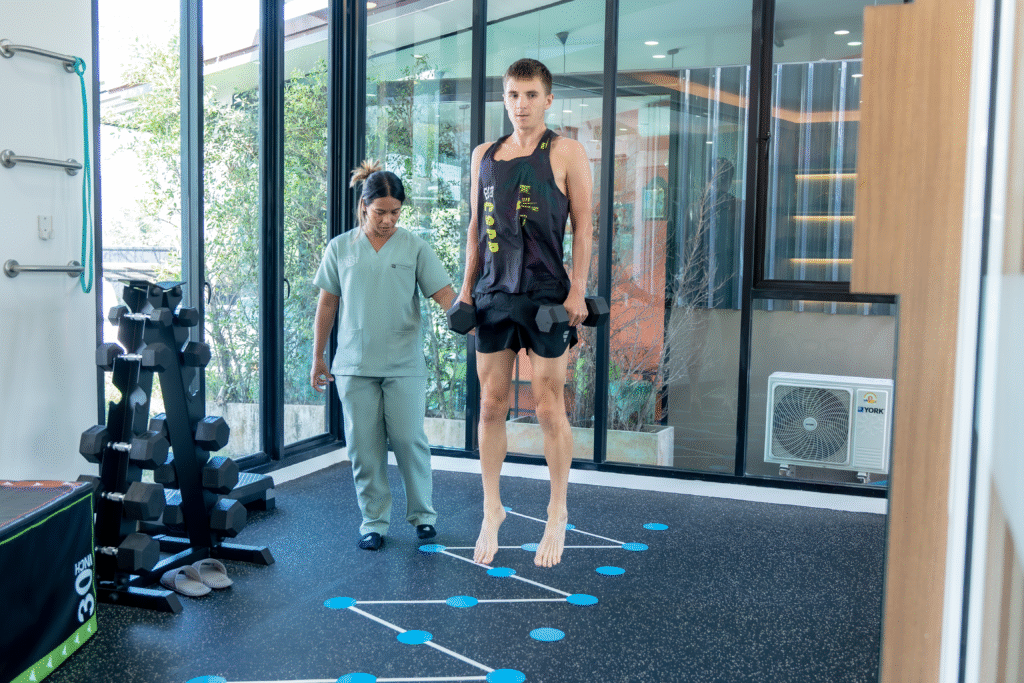
A successful rehabilitation program focuses on:
1. Managing Symptoms
Adjust activity levels while allowing appropriate movement.
2. Building Strength and Capacity
Key areas include:
• Quadriceps
• Hamstrings
• Gluteal muscles
• Hip stabilizers
• Calf muscles
Strong muscles improve force distribution and help the knee tolerate more load.
3. Restoring Confidence in Movement
Rehabilitation should prepare you for real-life activities:
• Walking
• Stairs
• Squatting
• Running
• Jumping
• Changing direction in sport
You Do Not Need to Stop Moving Because Your Knee Hurts
Avoiding movement for too long may lead to:
• Reduced strength
• Lower tolerance to load
• Increased fear of movement
Modern rehabilitation focuses on:
Appropriate movement + Progressive loading + Building physical capacity
Conclusion
Knee pain does not always mean your knee is damaged.
The key is not only finding an abnormal structure, but understanding:
• Why the knee is overloaded
• What factors contribute to symptoms
• How to rebuild strength and movement capacity
Because the goal of rehabilitation is not simply:
“Remove the pain.”
The goal is
“Restore confidence, improve movement, and return you to the activities you love.”
Author: Aof Physiotherapist
Musculoskeletal & Sports Rehabilitation
References
1.Crossley KM, et al. (2016). Patellofemoral pain consensus statement from the 4th International Patellofemoral Pain Research Retreat. British Journal of Sports Medicine.
2.Collins NJ, et al. (2018). 2018 Consensus statement on exercise therapy and physical interventions for patellofemoral pain. British Journal of Sports Medicine.
3.Bennell KL, et al. (2017). Exercise and physical therapy for knee osteoarthritis: evidence-based recommendations. British Journal of Sports Medicine.
4.Brinjikji W, et al. (2015). Systematic Literature Review of Imaging Features of Spinal Degeneration in Asymptomatic Populations. American Journal of Neuroradiology.
5.Culvenor AG, et al. (2019). Rehabilitation after anterior cruciate ligament reconstruction: clinical practice guideline. British Journal of Sports Medicine.