What a physiotherapist actually does for lower back pain
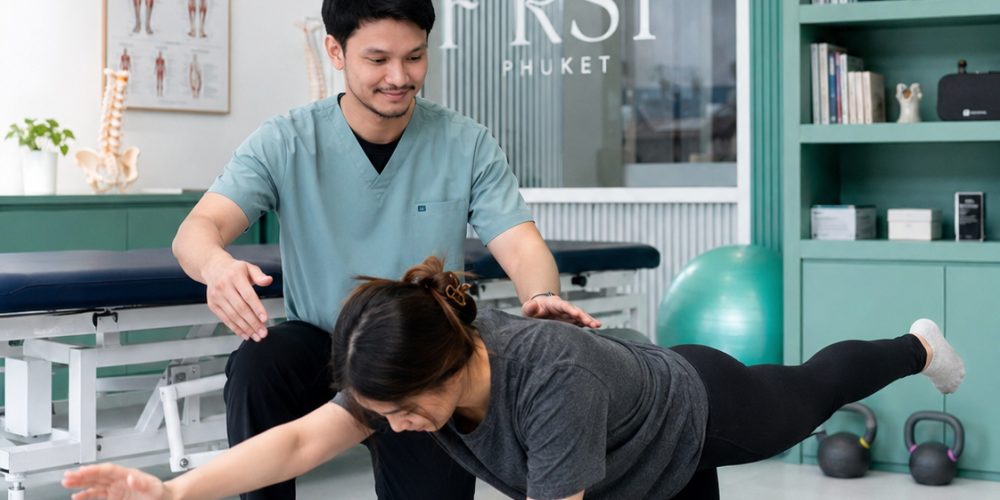
Exercise therapy — Targeted exercises form the core of treatment. These typically include core strengthening to stabilize the spine, flexibility work (like hamstring stretches), and aerobic activity such as walking or aqua therapy. Specific movements like pelvic tilts, bridges, bird dogs, and side planks are commonly prescribed.
Manual therapy — Hands-on techniques including spinal mobilization, joint manipulation, and soft tissue massage help relieve nerve irritation, restore joint movement, and ease muscle tension.
Modalities — Ultrasound / Shockwave are often used alongside exercise to reduce pain and inflammation.
Education — Therapists teach you about posture, safe movement, ergonomics, and activity modification, empowering you to manage and prevent recurrence.

What Is Chronic Lower Back Pain And Why Doesn’t It Just Go Away?
Chronic lower back pain is defined as pain that persists for three months or more. Unlike acute pain — which usually has a clear trigger like a fall or a sudden strain — chronic pain often develops gradually, without an obvious cause, and has a habit of coming and going in frustrating cycles.
Common underlying reasons include weak core muscles that leave the spine undersupported, prolonged sitting or poor posture (especially common in desk workers and drivers), tight hip flexors from sedentary habits, previous injuries that never fully healed, and age-related changes to the discs and joints of the spine.
The reason chronic lower back pain persists in so many people is that rest alone doesn’t fix it. The body needs targeted movement, guided rehabilitation, and sometimes a change in everyday habits to truly recover.
How Exercise Therapy Treats Chronic Lower Back Pain
At Physio First Phuket and TCM, exercise therapy is at the heart of our approach to chronic back pain — and for very good reason. Decades of research confirm that specific, guided movement is one of the most effective treatments available.
Exercise therapy for lower back pain isn’t about going to a gym or pushing through pain. It’s a carefully designed programme, personalised to your body, your lifestyle, and the specific nature of your pain.
Rebuilding Core Stability
Your core muscles — including the deep muscles around your spine — act as a natural brace. When these muscles are weak or poorly coordinated, the spine takes on more load than it should. A physiotherapist will guide you through exercises that target these specific muscles: movements like bridges, bird-dogs, and modified planks that rebuild support from the inside out.
Restoring Flexibility and Mobility
Tight muscles around the hips, hamstrings, and lower back can pull the spine out of alignment and increase pain. Stretching and mobility work done consistently — and correctly — gradually relieves this tension and gives you more freedom of movement.
Retraining Movement Patterns
Many people with chronic back pain have unconsciously started moving differently to protect the painful area. Over time, this can create new problems. Part of rehabilitation is helping you relearn natural, efficient movement — whether that’s how you lift, sit, walk, or sleep.
Progressive Loading
As your strength and confidence grow, your therapist will gradually increase the challenge of your exercises. This progressive approach builds real resilience in the spine, reducing the likelihood of future flare-ups.
What to Expect at Physio First Phuket and TCM
We understand that starting physiotherapy can feel uncertain, especially if you’ve been in pain for a long time. Here’s what typically happens when you come to us:
Your first session begins with a thorough assessment. We want to understand your full story not just where it hurts, but how it affects your daily life, what makes it better or worse, and what your goals are. From there, we build a treatment plan that is entirely personal to you.
Sessions are hands-on and collaborative. You’re not just given a sheet of exercises to do at home; we work with you, correct your technique, track your progress, and adjust your programme as you improve. Our clinic combines physiotherapy with Traditional Chinese Medicine (TCM), which means we can also explore complementary approaches such as acupuncture if that suits your needs.
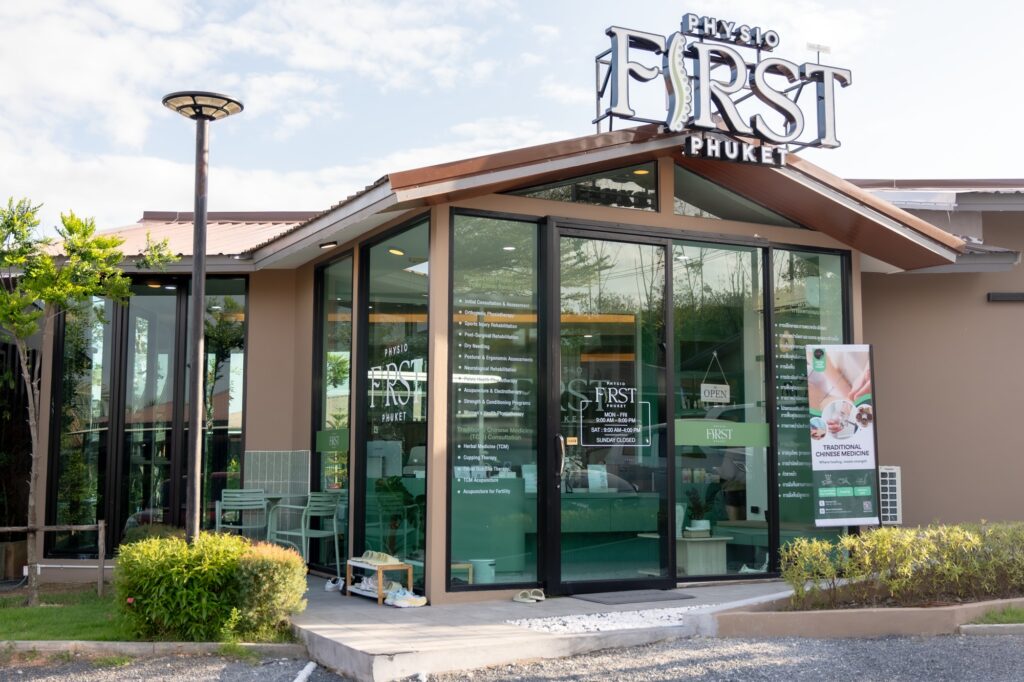
We’re based in Bangjo, Thalang conveniently accessible for residents across the north of Phuket, including Cherng Talay, Laguna, and Surin.
Signs That Exercise Therapy Could Be Right for You
Exercise-based rehabilitation tends to work well for people who:
- Have had lower back pain for three months or longer with no clear resolution
- Experience pain that flares up with prolonged sitting, standing, or certain activities
- Have been told there is no structural issue requiring surgery
- Want to address the root cause of their pain rather than managing symptoms indefinitely
- Are motivated to play an active role in their own recovery
If you’re unsure whether this approach is appropriate for your situation, a physiotherapy assessment is always the best starting point.
FAQ: Physiotherapy for Lower Back Pain in Phuket
How much does physiotherapy cost in Phuket?
Physiotherapy costs in Phuket vary depending on the clinic, the type of treatment, and the length of the session. At most clinics in the area, a standard physiotherapy session ranges from approximately 800 to 2,500 Thai Baht. Initial assessments may be priced slightly differently. At Physio First Phuket and TCM, we aim to offer transparent, fair pricing — we encourage you to contact us directly for current session rates and any available packages, particularly if you are considering a course of treatment for chronic back pain.
Many international health insurance policies cover physiotherapy in Thailand. It’s worth checking with your insurer before your first appointment.
You Don’t Have to Keep Living With This
Chronic lower back pain can wear you down not just physically, but mentally and emotionally too. It affects sleep, work, relationships, and your sense of what’s possible. But it is treatable. With the right support and a structured rehabilitation programme, most people with chronic lower back pain do get significantly better.
At Physio First Phuket and TCM in Bangjo, Thalang, we’re here to help you understand your pain, take back control, and move well again without feeling rushed or overwhelmed.
If you found this article helpful, we’d love for you to explore more on our blog and take the next step toward feeling better.
External Authority Reference: For evidence-based guidance on exercise therapy for chronic lower back pain, the World Health Organization (WHO) guidelines on non-surgical management of chronic primary low back pain offer a solid foundation: https://www.who.int/publications/i/item/9789240081789