What Conditions Can Acupuncture Treat?
A Practitioner's Honest Guide
By Dr.TCM.Peerada B. | 5 Years in Practice
If you’ve landed on this page, you’re probably wondering whether acupuncture could actually help you or someone you love. You may have tried other treatments, spent a lot of money, and still not found relief. I understand that frustration deeply. I see it walk through my clinic door every week.
In this post, I want to give you an honest, experience based answer to the question:
What can acupuncture really treat? Not a textbook list.
Not a marketing pitch. A real answer including what acupuncture cannot do.
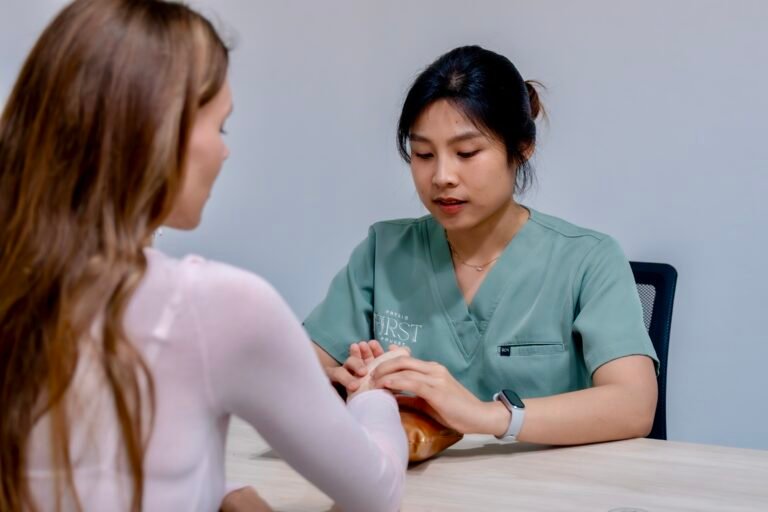
First, What Happens at our Clinic Before Any Needle Is Used
Before we treat anything, we assess everything.
When a new patient comes in, we start with a full consultation, listening to what they’re experiencing, how long they’ve had it, what they’ve already tried. This matters more than people expect. Many patients come in thinking they have one problem, and during the assessment we discover the root cause is something else entirely.
A common example: women who come in with fatigue, mood changes, sleep disruption, or joint pain and through careful questioning, we realise their symptoms are connected to perimenopause or menopause. They didn’t know. Nobody had connected the dots for them. That conversation alone can be life-changing, even before the first treatment begins.
This assessment first approach is central to how we work, and it’s why our outcomes tend to be stronger than one size fits all treatments.
The Conditions We Treat Most at Our Clinic
Based on five years of practice and the patients we see daily, here are the conditions acupuncture genuinely helps with:
1. Chronic Pain — Back, Neck, and Joints
This is one of the most common reasons people walk through our door. Whether it’s years of lower back pain, a stiff neck, or aching joints, acupuncture works by stimulating specific points in the body to reduce inflammation, improve circulation, and support the body’s natural pain response.
What makes our clinic unique is that we also have a physiotherapy practice under the same roof. Many of our chronic pain patients benefit from a combined approach acupuncture alongside physio which addresses both the muscular and neurological dimensions of pain. This is something most clinics simply cannot offer.
2. Hormonal Imbalances and Menopause
This is actually the condition we see most frequently right now, and it’s where acupuncture has shown some of its most meaningful results in our clinic.
Women experiencing menopause or perimenopause often deal with a wide range of symptoms: hot flushes, fatigue, mood swings, sleep disruption, and reduced motivation. Acupuncture, combined with Chinese herbal medicine, can help regulate and support the body through this transition often providing relief when conventional treatments haven’t.
3. Sleep Problems
Poor sleep is rarely just about sleep. It’s often connected to stress, hormonal shifts, or chronic pain. We treat sleep issues as part of a wider picture, looking at what’s driving the disruption rather than just addressing the symptom.
4. Headaches and Migraines
Recurring headaches and migraines respond particularly well to acupuncture for many patients. Treatment focuses on reducing frequency and severity over time, not just managing pain in the moment.
5. Low Energy and Fatigue
This brings me to one of the most personal stories I can share.
A Real Patient Story: Three Months, One Transformation
My own aunt came to our clinic after years of debilitating fatigue. She had tried everything multiple rounds of conventional treatment, specialist appointments, money spent, hope lost. Nothing had made a meaningful difference.
She began coming to the clinic once a week for acupuncture. We also prescribed Chinese herbal medicine to support the treatment between sessions. Within three months, the change was noticeable not just to her, but to everyone around her. Her energy returned. Her motivation came back. She started exercising again.
She was not a dramatic case in the medical sense. But she was a person whose quality of life had been significantly diminished, and who found her way back through a treatment that finally addressed the underlying imbalance.
Here is what she shared in her own words:
“I came with a long-term energy issue that I’d been struggling with for years. I tried so many things, spent a lot of money, and nothing really worked until I came to the clinic. Finally, I feel back to normal. I feel amazing.”
What Acupuncture Cannot Treat And Why Honesty Matters
I believe a practitioner who tells you the limits of their medicine is a practitioner you can trust. So let me be direct.
Acupuncture cannot fix structural or mechanical conditions. One example we’ve encountered at our clinic: patients who came in hoping acupuncture could correct bow legs, sometimes after seeing advertisements from other clinics making that claim. We told them the truth. Acupuncture will not straighten bones or correct structural alignment. If a clinic is advertising that, be cautious.
Acupuncture works with the body’s energy, circulation, and nervous system. It is not surgery. It does not rebuild structural tissue. Knowing this distinction helps you make informed decisions about your healthcare and helps you avoid wasting time and money on treatment that isn’t right for your condition.
The Misconception I Address Most Often
Almost every new patient has one of two misunderstandings when they arrive.
The first is that the needles will hurt. (They rarely do the needles are extremely fine and most patients are surprised by how comfortable the experience is.)
The second and more important one is that acupuncture is a single-session fix. It is not.
Think of it like physiotherapy, or training at the gym. One session gives you a sense that something is happening. But real, lasting change takes time and consistency. At our clinic, we typically recommend a course of ten sessions before expecting to see significant results. In those first few sessions, most patients do notice something shifting. But the full picture takes longer to develop.
This is not a weakness of acupuncture. It is how the body heals.
What Makes Our Approach Different
We are not a standard acupuncture clinic. Here is what sets our practice apart:
- Integrated care: We have a physiotherapy clinic operating alongside acupuncture, allowing us to offer combined treatment for complex or chronic conditions especially pain.
- Chinese herbal medicine: For many patients, we complement acupuncture with tailored herbal prescriptions, which support the body’s healing between sessions.
- Assessment first: We never skip the consultation. Understanding the full picture including conditions the patient may not have connected to their symptoms is fundamental to effective treatment.
- Specialisation in hormonal health: With a focus on fertility and hormonal conditions, we bring depth of knowledge to an area that many clinics treat only superficially.
My Honest Advice Before Your First Appointment
If you are considering acupuncture, here is what I want you to know:
Acupuncture is not magic. It is a legitimate, time-tested system of medicine but like any treatment, it requires time, commitment, and patience. One session will not resolve what has been building for months or years.
Be patient. Be consistent. And listen to your practitioner.
If you do, many people find that acupuncture offers something they had stopped believing was possible: real, lasting change.